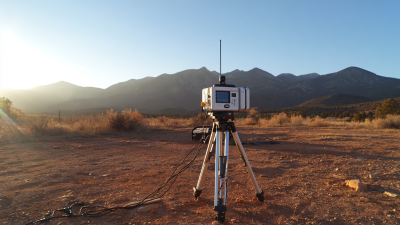
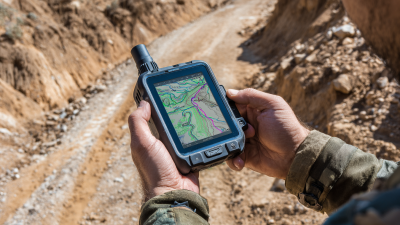
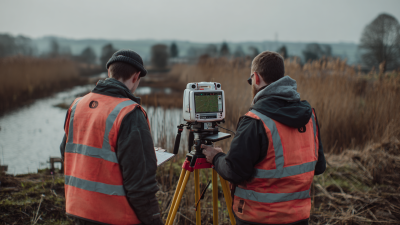
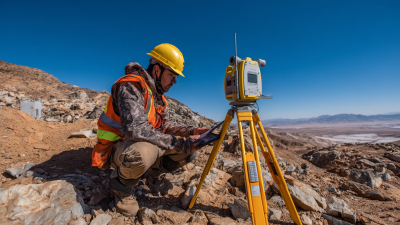
Setting up a GNSS Base Stationcan really make a big difference when it comes to getting more accurate positioning for all sorts of practical uses. Dr. John Smith from Global GPS Solutions often points out, “A properly installed Gnss Base Station is super important for collecting reliable data.” That just goes to show how crucial it is to get the setup right in this industry.
But honestly, a lot of folks tend to overlook how tricky configuring these stations can be. Things like picking the right location and calibrating the equipment properly are huge deals. If you put the station somewhere that’s not ideal, it could really mess up your entire data. That's why doing a detailed site survey is so important—even if the spot you find doesn’t look perfect at first glance.
And let’s not forget, maintaining the station is often pushed aside. Regular checks and updates are key if you want everything to run smoothly. Things like environmental factors or technical hiccups can affect the accuracy, so staying on top of it really makes a difference. All in all, balancing these aspects—accuracy, maintenance, and careful planning—is what makes a GNSS Base Station successful. Paying close attention to these details can save you from a lot of headaches down the line.

Understanding GNSS: Principles and Key Technologies in Positioning
Global Navigation Satellite Systems (GNSS) play a crucial role in accurate positioning. Understanding the principles behind GNSS can enhance measurement results significantly. These systems rely on a constellation of satellites transmitting signals to ground-based receivers. The signals help calculate a receiver’s location through time delays. With advanced technologies, GNSS can achieve centimeter-level accuracy.
One key technology is Differential GNSS (DGNSS), which corrects positioning errors in real-time. According to industry reports, DGNSS can improve location accuracy to within 0.5 meters. Furthermore, Real-Time Kinematic (RTK) positioning offers even finer accuracy, often reaching within a few centimeters. However, Rtk Setups require a nearby base station, making initial setup more complex.
Tips: When planning your GNSS base station, consider the location carefully. Ensure minimal obstructions, like trees or buildings. This helps maintain clear signals. Also, keep in mind that weather can affect signal quality. Testing your setup periodically is essential. Errors can creep in unnoticed.
Investing in the right receiver is essential. Not all devices meet high-accuracy needs. Reflections from buildings can introduce multipath errors, leading to inaccurate readings. Assessing the environment before deployment is beneficial. Reflective surfaces can create challenges. Unexpected issues may arise, but tweaking your setup can yield better outcomes.
Essential Components of a GNSS Base Station Setup
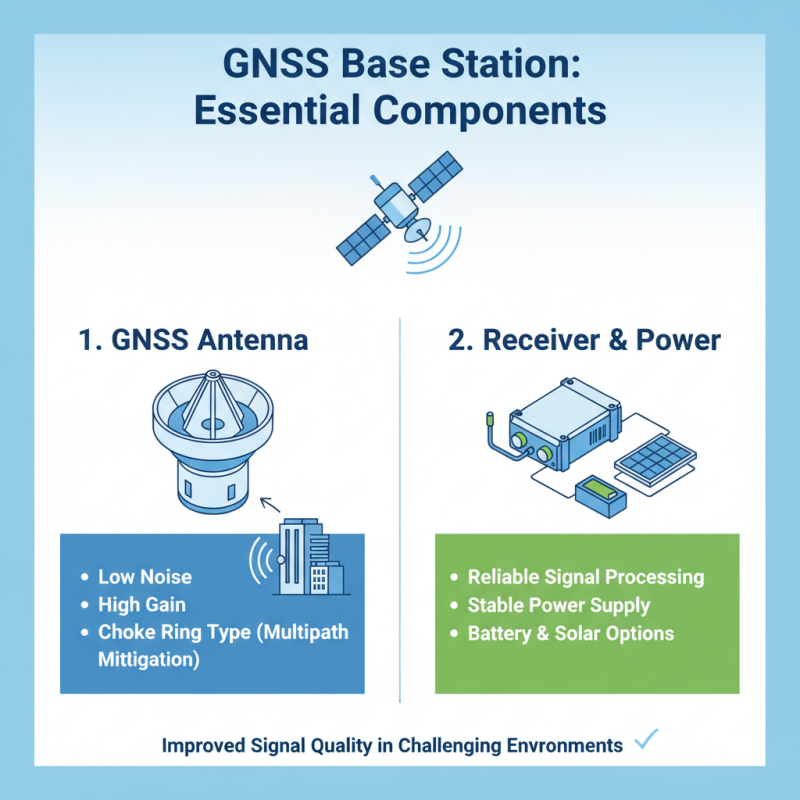
Setting up a GNSS base station requires careful consideration of essential components. A reliable antenna is crucial. It must have low noise and high gain. Options include Choke Ring Antennas for better multipath mitigation. These antennas improve signal quality in challenging environments.
Next, a Gnss Receiver is needed to collect data. The choice of receiver impacts accuracy. High-end receivers can achieve centimeter-level precision. Reports indicate that precision improvement can reach 25% with advanced models. While cost is a factor, investing in quality technology pays off in the long run.
Data processing software is vital for analyzing collected information. It should support multiple GNSS signals. The software must handle corrections efficiently. The integration of real-time kinematic (RTK) processing can enhance positioning capabilities. Many setups fail due to underestimating software complexity, which can lead to poor results.
Site Selection Criteria for Optimal GNSS Base Station Location
When setting up a GNSS base station, site selection is critical. Choosing a location with an unobstructed view of the sky enhances satellite visibility. Ideally, the chosen site should have minimal interference from buildings and trees. According to industry reports, a clear horizon allows a GNSS receiver to achieve better accuracy. This is essential for Rtk Base Station Gnss setups, where precision is key.
The soil conditions at the site also matter. Studies show that stable ground minimizes vibrations and disturbances. Areas with solid bedrock are preferable for ensuring long-term station stability. Additionally, factors like lightning protection and accessibility for maintenance cannot be overlooked. Many technicians often find themselves in remote areas, facing challenges in accessibility that could impact operational efficiency.
Weather conditions can also influence the station’s performance. Selections made without considering local climate patterns can lead to operational disruptions. For instance, heavy rainfall or frequent snow can affect signal quality. It’s crucial to assess these environmental factors to enhance the station’s reliability. Balancing ideal site characteristics with less perfect conditions can inspire thoughtful planning and adjustments.
GNSS Base Station Site Selection Criteria
Configuring Antennas and Receivers for Enhanced Accuracy
When setting up a GNSS base station for precise positioning, antenna and receiver configuration is critical. Proper placement can significantly enhance accuracy. For example, antennas should be elevated and free from obstructions. A clear line of sight to satellites is essential. According to industry reports, a well-placed antenna can reduce multipath errors by up to 50%. This is crucial when setting up a Gnss Rtk Base Station, where centimeter-level accuracy is desired.
Receiver settings also play an important role in overall performance. It's vital to configure them to reject weak signals and interference. Adjusting tracking settings can optimize satellite signal capture. Research suggests that receivers configured to track multiple frequencies improve positional precision. However, not all environments allow for optimal settings. Urban areas might impede performance due to buildings and interference, leading to potential inaccuracies.
Incorporating advanced algorithms within receivers can further enhance performance. However, such configurations require a deep understanding of the local environment. In some cases, users struggle with settings that seem ideal but yield unexpected errors. Regularly reviewing system performance against known benchmarks is advisable. This continuous assessment helps identify weaknesses and refine setups. The relationship between antenna placement, receiver configuration, and signal quality is complex but fundamental in the quest for better GNSS RTK base station performance.
Data Collection: Best Practices for GNSS Observations
Setting up a GNSS base station requires careful consideration. For accurate positioning, data collection is key. Proper planning can significantly affect the results of your GNSS observations. Positioning your Small Gnss Base Station For Rtk Applications, for example, should involve selecting a stable location. Avoid areas with tall buildings or dense trees. These can obstruct signals and introduce errors.
Calibration is another vital aspect of data collection. Ensure that your equipment is well-calibrated before starting your observations. Regular checks can prevent complications during data retrieval. Many users overlook this step, leading to unsatisfactory results later on. It’s important to assess environmental conditions. Weather can impact the quality of GNSS data. Heavy rainfall or atmospheric disturbances can skew results.
Collecting data at various times of the day can improve accuracy. However, it's not always easy to find ideal conditions. Sometimes, you may face interruptions. Observing noise from nearby machines or fluctuating satellite visibility may occur. Keeping a detailed log of these factors will help refine the setup over time. These reflections can aid in improving the overall reliability of your Small GNSS Base Station for RTK applications.
How to Set Up a GNSS Base Station for Accurate Positioning? - Data Collection: Best Practices for GNSS Observations
| Parameter | Recommended Value | Measurement Technique | Ideal Conditions |
| Observation Time | Minimum 2 hours | Static GNSS | Clear sky view |
| Elevation Mask | ≥ 15 degrees | Single Point Positioning | Minimal obstruction |
| Data Logging Interval | 1 second | Continuous logging | Stable receiver position |
| Sampling Rate | 1 Hz to 10 Hz | Real-time Kinematic (RTK) | Rapid movement allowed |
| Satellite Visibility | ≥ 4 satellites | Network RTK | Open environment |
Establishing Communication with GNSS Networks and Data Processing
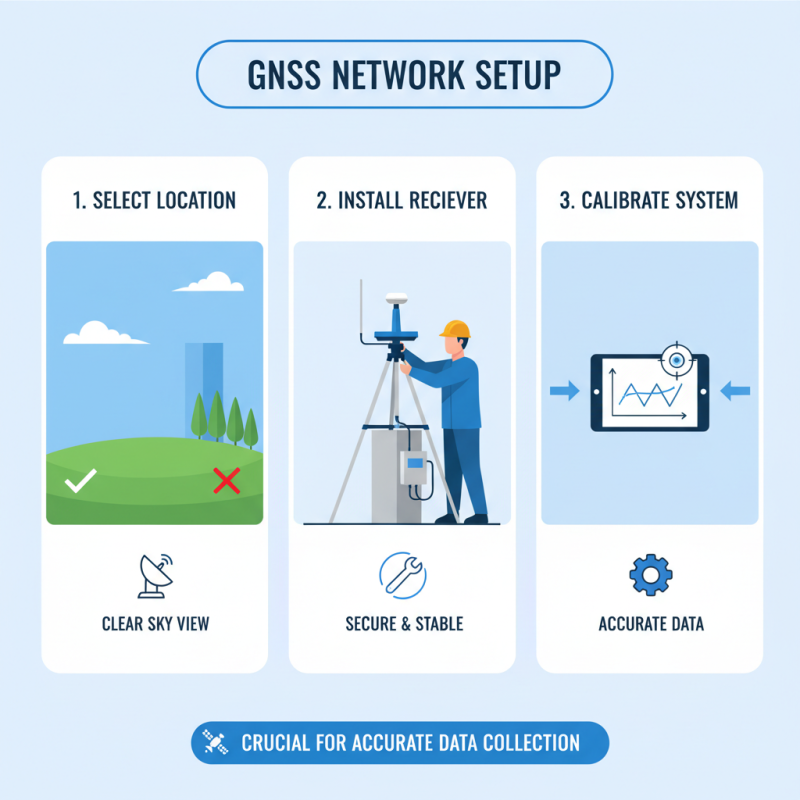
Setting up communication with GNSS networks is crucial for accurate data collection. Begin by selecting a suitable location for your base station. The site should have a clear view of the sky, free from obstructions. Trees or tall buildings can interfere with signal quality. Once the location is chosen, install the GNSS receiver securely. Make sure it is calibrated properly.
Next, establish a reliable communication connection. This might involve setting up Wi-Fi or cellular networks. Ensure that data can flow smoothly to your processing unit. You may experience connectivity issues at first. This requires checking cables and settings multiple times. Using software for monitoring connections can be helpful.
Data processing is the next step. Raw GNSS data needs to be corrected for accuracy. This is often where mistakes occur. Ensure you have the right software for data analysis. Take time to validate your data. Look out for anomalies that can indicate errors in the setup. Adjustments may be necessary after reviewing processed outputs.
Performing Calibration and Maintenance for Long-term Stability
Calibration and maintenance are crucial for the long-term stability of a GNSS base station. Regular checks ensure that the station functions accurately over time. According to a recent industry report, improper calibration can lead to position errors of up to 2 centimeters, which can be critical in applications like surveying or precision agriculture. Even small errors can accumulate, causing significant impact in long-term projects.
To maintain accuracy, operators should follow a strict schedule for calibration. This includes checking the antenna's phase center and ensuring it is free from obstructions. Regular updates of software and firmware also play a vital role. It's not uncommon for base stations to require adjustments after severe weather events. Faulty installation, such as incorrect grounding, can lead to signal interference and unpredictable performance.
Engaging in routine maintenance isn’t just about rectifying issues; it's about proactive prevention. Operators often overlook these details, leading to costly downtime. For effective performance, systematic data logging is essential. Analyzing this data can provide insights into recurring problems. A well-maintained Base Station For Gnss can deliver reliable results for years, but attention to detail is paramount.
Exploring the Features and Benefits of the Apeks Am02 Total Station for Precision Surveying Applications
The exploration of precision surveying applications has been significantly enhanced by advancements in technology, particularly with the use of total stations like the Apeks AM02. This versatile instrument combines electronic distance measurement with angular measurement to provide accurate and efficient data collection in various surveying projects. The AM02 is designed for ease of use, making it suitable for both seasoned professionals and newcomers in the field.
Among its notable features, the AM02 boasts high precision measurements, enabling surveyors to achieve results that meet rigorous industry standards. The intuitive interface and advanced software capabilities streamline the surveying process, allowing for rapid data processing and easy integration with other surveying tools. Additionally, its durable construction ensures reliability in diverse environmental conditions, making it a dependable choice for outdoor applications.
The benefits of using the AM02 extend beyond just enhanced accuracy. Its portability and lightweight design facilitate easy transportation to different work sites, while its battery life supports long hours of operation without the need for frequent recharging. As the demand for precise surveying continues to grow across industries, instruments like the AM02 are crucial in delivering the quality and efficiency necessary for successful project execution.
FAQS
: This product aims to enhance user experience in daily tasks. It simplifies processes and saves time.
Follow the guidelines provided in the manual. Practice regularly to gain confidence and proficiency.
Most people can use it. However, some may find it challenging without guidance or experience.
Troubleshooting steps are included in the manual. Seeking support from others may also help.
Regular checks are essential. Cleaning and occasional updates keep it functioning smoothly.
It streamlines tasks, making them easier. You may find you accomplish more in less time.
It may not address all unique situations. Be prepared to adapt its use based on personal needs.
Some find it invaluable, while others suggest improvements. Reviews often highlight both strengths and weaknesses.
Yes, there may be an adjustment period. Patience and practice lead to better results over time.
Sharing is possible, but ensure everyone knows how to use it effectively. Misuse can lead to frustration.
Conclusion
Setting up a GNSS base station is crucial for achieving accurate positioning in various applications. Understanding the principles of GNSS and key technologies in positioning lays the foundation for effective implementation. Essential components such as antennas and receivers must be carefully selected and configured to enhance accuracy. Site selection is another critical factor; choosing an optimal location is vital for reliable data collection.
Best practices for GNSS observations include ensuring optimal conditions for data collection, establishing strong communication links with GNSS networks, and employing effective data processing techniques. Additionally, performing regular calibration and maintenance is essential to ensure the long-term stability of the GNSS base station. These steps contribute collectively to the robust performance of a GNSS base station, ultimately leading to precise positioning outcomes.