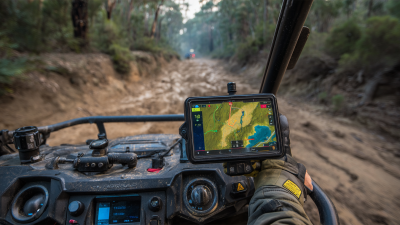
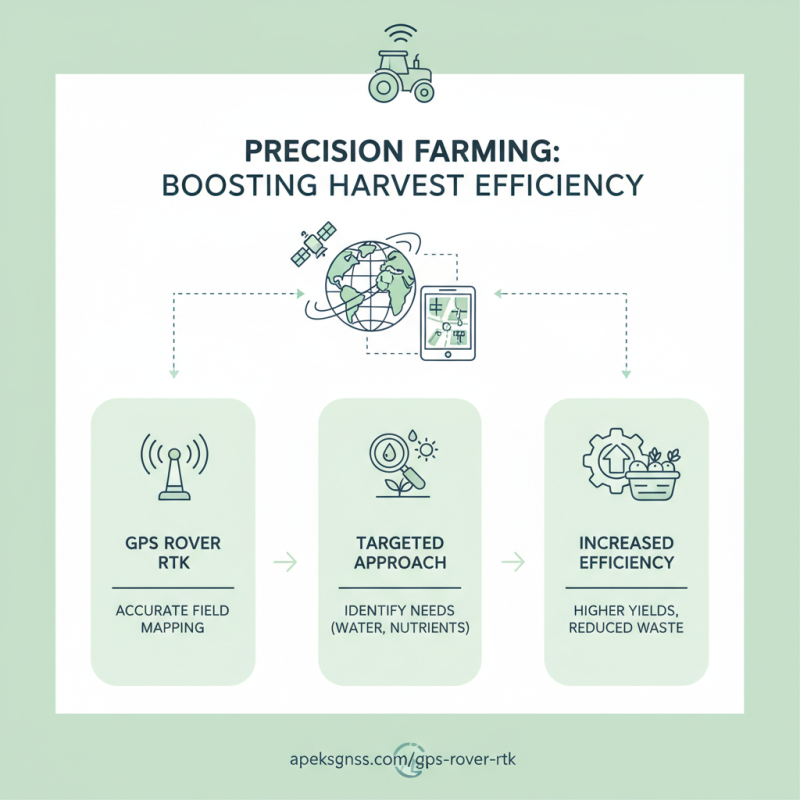
You know, precision farming really changed the game in agriculture. Farmers can now fine-tune their practices, get better yields, and cut down on waste — it’s pretty impressive. By 2027, the global market for precision agriculture is expected to hit around $12.9 billion, mainly thanks to some pretty advanced tech tools out there. One standout is the Brush Rover RTK. It’s amazing how that thing improves the accuracy of mapping fields and managing crops. According to a recent report from MarketsandMarkets, using these kinds of tools can actually boost farming efficiency by more than 20%. Pretty cool, right?
Now, using the Brush Rover Rtk offers a lot of perks, like pinpoint accuracy—within just about 2.5 centimeters. That kind of precision really helps with things like planting, pest control, and making sure resources are used wisely. Farmers who've gone for this tech often see a noticeable bump in crop yields and also save on input costs. That said, it’s not always smooth sailing — some folks run into hiccups when setting things up or keeping everything running smoothly. Handling those issues is key if we want to get the most out of the Brush Rover RTK.
All in all, moving toward precision farming isn’t just a cool trend — it’s pretty much essential for sustainable agriculture, especially with the world’s food needs growing. Tools like the Brush Rover RTK can really help farmers tackle these big challenges. But, it’s also important to know the ups and downs along the way. Farming is a continuous learning process — adapting as technology evolves is just part of the journey to long-term success.
Understanding Brush Rover RTK Technology in Precision Farming
Brush Rover Rtk technology plays a crucial role in precision farming. This system enhances the accuracy of planting and field mapping. With real-time positioning, farmers can optimize their land use. Every inch counts in agriculture. The Rover RTK ensures that crops are planted at precise intervals, reducing waste.
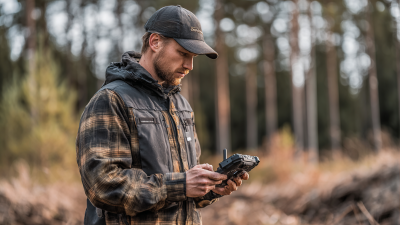
Using Rover RTK can lead to better crop yields. It minimizes overlapping in seeding, cutting down costs and resources. However, getting used to the technology can be challenging. Farmers may face a learning curve. It’s important to take the time to understand the system.
Tips: Start with small test plots to familiarize yourself with Rover RTK. Monitor your data closely as you implement the technology. Each adjustment needs careful analysis. Using this technology can transform farming practices, but results may take time to fully realize. Embrace the evolution, and don’t hesitate to seek help if needed.
Enhancing Crop Yields with Accurate Salinity and Nutrient Mapping
Accurate mapping of salinity and nutrients is vital for modern agriculture. Using tools like Rtk Rover enhances this process significantly. This technology offers high precision in understanding soil conditions. It helps farmers identify areas with varying nutrient levels. Consequently, crops receive tailored treatments based on specific needs.
With accurate data, farmers can optimize irrigation and fertilizer application. This targeted approach boosts crop yields and reduces waste. However, not all farmers adopt such technology immediately. Some struggle with the initial setup and cost implications. This reluctance can hinder potential benefits.
Yet, those who embrace it find remarkable improvements. They witness healthier crops and better soil management over time. Such advancements reflect a shift towards smarter farming practices. Farmers must consider the long-term gainsof investing in Rtk Rover Systems. The journey may have initial bumps, but the rewards can be substantial.
Optimizing Field Operations Through Real-Time Data Integration
Precision farming gains momentum with real-time data integration. Farmers are increasingly adopting innovative tools to enhance productivity. According to a report by the International Society of Precision Agriculture, precision agriculture can increase crop yields by up to 15%. This substantial gain is driven by advanced technologies providing immediate insights into soil conditions, weather patterns, and crop health.
Field operations become more efficient when data is processed in real-time. Farmers can make informed decisions swiftly. Studies show that more than 70% of farmers experience reduced operational costs due to precision farming technologies. With this data-driven approach, resources like water and fertilizers are utilized more effectively. Real-time analysis allows for timely interventions, addressing issues before they escalate.
However, challenges persist. Not every farmer can easily integrate such advanced technology. Training is necessary to ensure optimal use. Many struggle with data overload, leading to confusion. A balance is essential. While data can empower, it can also overwhelm if not managed properly. As technologies evolve, continual improvement in training and implementation strategies is crucial to fully harness their potential.
Top 10 Benefits of Using Brush Rover RTK for Precision Farming
Reducing Waste and Costs with Precision Farming Techniques
Precision farming techniques have transformed agriculture. They help minimize waste while enhancing crop yields. By utilizing technology, farmers can assess resources with great accuracy. This leads to better decisions regarding fertilizers and water usage.
For instance, soil analysis can guide farmers on where to apply nutrients. This specific targeting means less overlap and reduced costs. However, not every farmer implements these techniques effectively. Some may miss crucial data points, leading to inefficient resource use.
Moreover, real-time data collection helps adjust practices dynamically. This ensures crops receive optimal conditions throughout their growth. Yet, farmers must continually adapt and learn. Embracing change can be challenging, but it’s essential for success. Every farm can benefit, but the path is not without its obstacles.
Improving Soil Health Management Using RTK Insights
Precision farming has revolutionized agricultural practices, and the use of Gps Rtk Rover technology is at the forefront of this change. This approach helps farmers monitor soil health with pinpoint accuracy. By providing real-time data, it helps in making informed decisions about soil management. With these insights, farmers can apply the right amount of fertilizers and chemicals. This minimizes waste and promotes nutrient-rich soil.
Using RTK insights can address specific soil issues. For instance, understanding soil compaction helps in selecting the best tilling methods. It can also indicate when organic amendments are needed. Farmers are making adjustments based on precise data rather than guesswork. Yet, the implementation of these insights is not without challenges. Accessing and interpreting the data can be complex, and some farmers may struggle to utilize it effectively.
Another point to consider is the cost of maintaining the technology. While Gps Rtk Rover systems offer immense benefits, farmers must evaluate their return on investment. The initial setup can be expensive, and continuous maintenance requires diligence. Additionally, proper training is essential to maximize the technology's potential. Embracing these tools to improve soil health can lead to significant benefits, but it also demands a commitment to learning and adaptation.
Top 10 Benefits of Using Brush Rover RTK for Precision Farming
| Benefit | Description | Impact on Soil Health |
| Accurate Soil Mapping | Provides precise data on soil composition. | Enhances nutrient management and promotes healthier crops. |
| Reduced Soil Compaction | Enables optimized machinery routes. | Preserves soil structure and fosters microbial activity. |
| Enhanced Variable Rate Application | Allows for tailored inputs based on specific field zones. | Reduces chemical runoff and improves soil fertility. |
| Informed Crop Rotation Decisions | Uses data to plan optimal crop rotations. | Maintains soil nutrients and reduces pest pressures. |
| Improved Irrigation Management | Facilitates precise water application. | Conserves water and prevents soil erosion. |
| Utilization of Soil Sensors | Monitors soil moisture and nutrients in real-time. | Optimizes input use and enhances soil health. |
| Data-Driven Decision Making | Leverages RTK data for strategic farming practices. | Leads to better long-term soil management. |
| Increased Yield | Optimizes yields through targeted farming techniques. | Improves soil quality and crop productivity. |
| Sustainable Practices | Encourages practices that reduce environmental impact. | Enhances biodiversity and soil resilience. |
| Cost Efficiency | Reduces waste and inputs through precise applications. | Allocates resources for optimal soil health outcomes. |
Increasing Harvest Efficiency via Targeted Field Practices
Precision farming is transforming agriculture through the use of advanced technology. One notable tool is Gps Rover Rtk, which enhances efficiency in field practices. By accurately mapping fields, farmers can identify areas needing specific attention. This targeted approach can lead to a noteworthy increase in overall harvest efficiency.
Implementing GPS Rover RTK allows for optimized resource utilization. Fertilizers and water can be distributed precisely where needed. However, some farmers may struggle with adapting to this technology. Initial costs and training can be a hurdle. Despite this, the long-term benefits often outweigh the short-term challenges.
Moreover, real-time data enables farmers to make informed decisions. Quick adjustments can be made as conditions change. However, relying solely on technology can be risky. Human intuition and experience still play crucial roles in farming. Balancing technology with traditional practices may yield the best results.
Leveraging RTK for Sustainable Agriculture Practices and Conservation
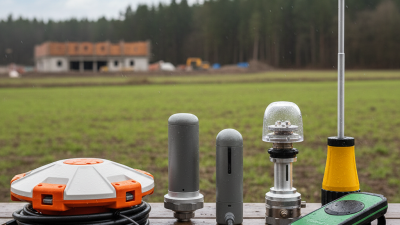
Precision farming has seen a dramatic shift with the introduction of Real-Time Kinematic (RTK) technology. Sustainable agriculture relies on the ability to gather accurate data. This data allows farmers to make informed decisions about resource use. According to a recent report by the USDA, farmers can reduce water usage by up to 30% through precision irrigation based on RTK data. This statistic highlights the role of technology in conserving resources.
Moreover, leveraging RTK enhances soil health. Accurate mapping of fields enables targeted applications of fertilizers and pesticides. A study published in the Journal of Precision Agriculture indicated that farmers using RTK reduced chemical use by nearly 40%. This decrease significantly minimizes soil runoff, protecting local waterways from pollutants. However, not every farm capitalizes on these benefits; some still rely on traditional methods and lose out on sustainability.
Challenges remain. High initial costs for RTK systems can deter small farmers. The complexity of technology also requires training and support. Many farmers may feel overwhelmed by this transition. The gap between early adopters and those hesitant to embrace new technology continues to widen. In this context, it is crucial to address barriers to ensure that the entire agricultural community can benefit from RTK innovations.
Unlocking Efficiency in Field Operations: The Impact of TS8i Pro Rugged Tablet with GNSS RTK Positioning in the Construction Industry
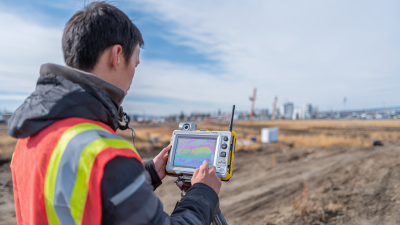
In the construction industry, the efficiency of field operations is largely influenced by the precision of technology employed in the measurement and surveying processes. The advent of advanced RTK (Real-Time Kinematic) positioning solutions, such as those offered by modern rugged tablets, has transformed how professionals approach site management and data collection. The TS8i Pro RTK Android tablet, equipped with a 1408 channels GNSS module, stands out by delivering centimeter-level accuracy that is essential for a range of applications, including surveying, construction, and land management.
According to recent industry analyses, the global construction technology market is expected to grow significantly, driven by the increasing adoption of advanced tools like GNSS-equipped devices. For instance, reports indicate that businesses utilizing GNSS technology in their operations can enhance productivity by up to 30%, while also reducing potential costly errors related to inaccurate land measurements. The TS8i Pro's user-friendly interface allows field workers to easily navigate complex data, streamlining the process from data collection to analysis.
Furthermore, the integration of such technology not only aids in achieving precise measurements but also contributes to better resource management on job sites. As project timelines tighten and budgets become increasingly scrutinized, having reliable, high-accuracy tools becomes paramount. Deploying equipment like the TS8i Pro tablet empowers teams to make informed decisions swiftly—ultimately leading to more successful project completions in an increasingly competitive landscape.
FAQS
: Many products use metal, plastic, or glass. Each material has unique properties that affect durability and function.
Look for certifications or labels. Research the company's practices for recycling and waste management.
Check return policies and shipping costs. Review product descriptions and customer reviews for quality insights.
Yes, there are many sustainable options. Explore brands focusing on natural or organic materials.
Read safety guidelines provided by manufacturers. Keep an eye out for recalls or safety alerts.
Review the return policy. Contact customer service for resolution. Reflect on your needs before purchasing again.
Yes, they can protect your investment. Consider warranty details and duration before buying.
Choose reusable products and recycle when possible. Small changes can lead to significant environmental impact.
Impulse buying is risky. Failing to research can lead to dissatisfaction with your choice.
Research companies' labor policies. Choose products made under fair conditions to ensure workers are treated well.
Conclusion
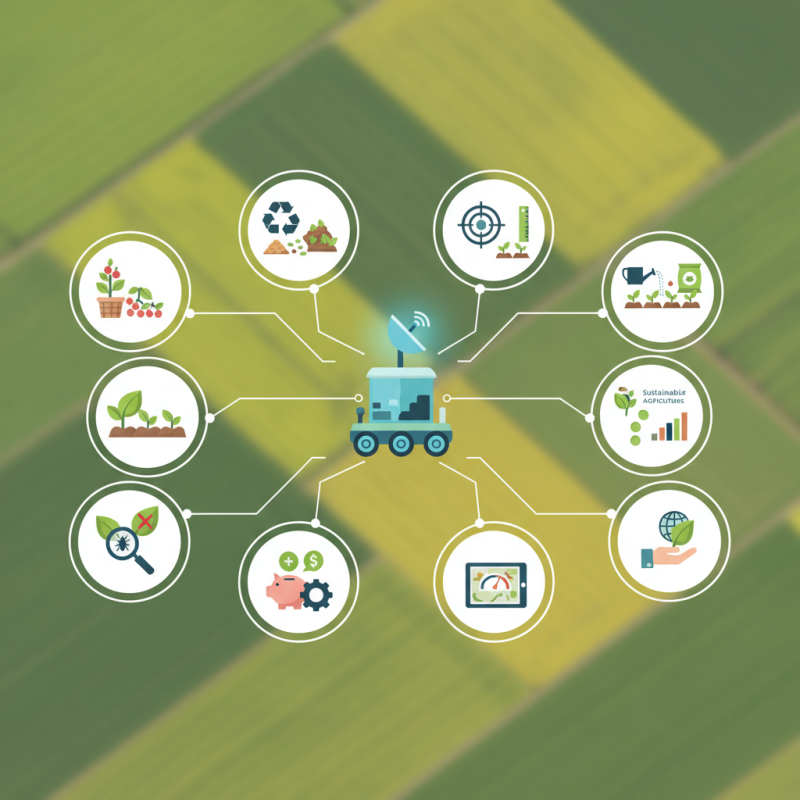
The article "Top 10 Benefits of Using Brush Rover RTK for Precision Farming" delves into the transformative impact of Brush Rover RTK technology on modern agricultural practices. It highlights how this advanced system enhances crop yields through precise salinity and nutrient mapping, enabling farmers to make informed decisions for optimal field management. By integrating real-time data, Brush Rover RTK improves operational efficiency, reducing waste and costs associated with traditional farming techniques.
Furthermore, the article emphasizes the role of Brush Rover RTK in soil health management and its contributions to sustainable agricultural practices. With insights derived from RTK technology, farmers can implement targeted field practices that not only boost harvest efficiency but also promote conservation efforts. Overall, Brush Rover RTK serves as a powerful tool for fostering precision farming and achieving long-term agricultural sustainability.